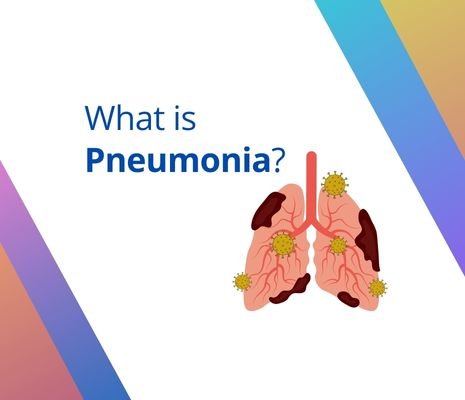
What is Pneumonia?
Pneumonia happens when germs infect the lungs and cause swelling (inflammation). The small air sacs in the lungs (alveoli) fill with fluid or pus. This makes breathing difficult and can reduce oxygen levels in the body.
Pneumonia is a lung infection. Sometimes it feels like a very bad cold or flu. Some people may have a mild form called “walking pneumonia,” where symptoms are light and they can continue their daily routine. However, pneumonia is not always mild. In many cases, it can become serious and may require hospitalization.
What Causes Pneumonia?
The most common causes are viruses and bacteria.
Viral Causes Include:
- Influenza virus (flu)
- Coronavirus (COVID-19)
- Respiratory Syncytial Virus (RSV)
Bacterial Causes Include:
- Streptococcus pneumoniae (one of the most common bacteria causing pneumonia)
Both viral and bacterial pneumonia can cause similar symptoms. Doctors may advise tests like a chest X-ray, blood tests, or sputum tests to identify the exact cause.
Types of Pneumonia
Doctors mainly divide pneumonia into two types:
1. Community-Acquired Pneumonia (CAP)
This type occurs outside the hospital, such as at home, school, or the workplace. Anyone can develop this type.
2. Hospital-Acquired Pneumonia (HAP)
This type develops during a hospital stay. It can be more serious because patients are often already weak, and some bacteria may be resistant to antibiotics. Patients who are on ventilator support have a higher risk.
Symptoms of Pneumonia
Common symptoms include:
- Cough with or without mucus
- Shortness of breath
- Chest pain while breathing or coughing
- Fever and chills
- Fatigue and body aches
In older adults, symptoms may be mild and may only include weakness, confusion, or reduced alertness.
Who Is at Higher Risk?
The risk of pneumonia is higher in:
- People above 65 years
- Patients with asthma, COPD, or heart disease
- Smokers
- People who consume excessive alcohol
- Individuals with weak immunity
Can Pneumonia Be Prevented?
Yes, in many cases pneumonia can be prevented.
- Vaccines are available to protect against bacterial pneumonia.
- Flu and COVID-19 vaccines reduce the risk of viral pneumonia.
- Regular hand washing helps prevent infection.
- Wearing a mask in crowded indoor places, especially during winter, reduces risk.
- Quitting smoking significantly lowers the chances of severe pneumonia.
Most vaccine side effects are mild, such as slight fever or pain at the injection site.
Treatment of Pneumonia
Treatment depends on the cause.
- Bacterial pneumonia is treated with antibiotics.
- Viral pneumonia usually improves with rest, fluids, and fever medicines. Some viral infections may require antiviral medications.
- Severe cases may need hospitalization, oxygen support, intravenous medicines, and close monitoring.
Pneumonia can be mild, but it can also become serious, especially in elderly patients and those with lung or heart disease. If you have persistent cough, high fever, chest pain, or difficulty breathing, do not ignore these symptoms. Early diagnosis and timely treatment lead to better recovery and fewer complications.

